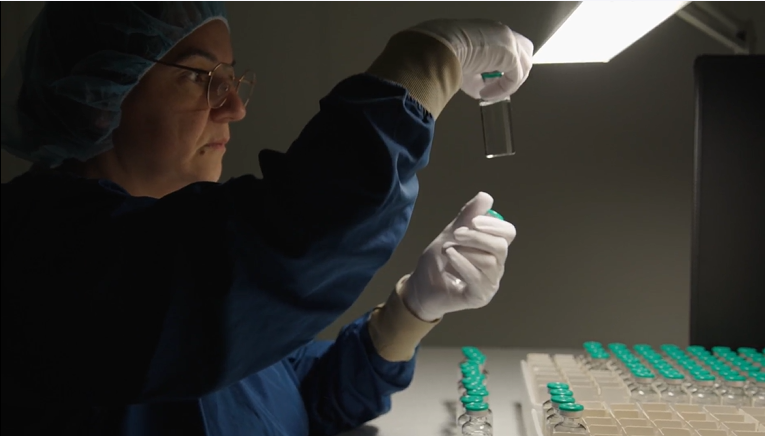
Choosing the right sterile injectable CDMO is one of the highest stakes decisions a pharmaceutical or biotech team will make, and a rigorous audit is how you reduce the risk. A sterile injectable CDMO audit examines fill-finish operations, quality systems, Chemistry, Manufacturing and Controls (CMC) documentation, and inspection readiness across the full path from clinical batches to commercial supply. This 2026 guide walks development and operations leaders through what to assess, what evidence to request, and the questions that separate a compliant partner from a risky one.
Table of contents
- What does a sterile injectable CDMO audit cover?
- Fill-finish operations to assess
- Quality systems and certifications to check
- CMC documentation and regulatory submissions
- Inspection readiness from clinical to commercial supply
- Capacity and scaling from clinical to commercial supply
- Sterile injectable CDMO audit checklist
- How Adragos supports sterile injectable manufacturing
- Frequently asked questions
What does a sterile injectable CDMO audit cover?
A sterile injectable CDMO audit is a structured evaluation of a Contract Development and Manufacturing Organization (CDMO) that fills and finishes sterile drug products. It confirms that the site can manufacture your product safely, at the required scale, and in full regulatory compliance. A complete audit covers five areas:
- Fill-finish operations and aseptic technology.
- Quality systems and regulatory certifications.
- CMC documentation and regulatory submissions.
- Inspection readiness and audit history.
- Capacity and the ability to scale from clinical to commercial supply.
Fill-finish operations to assess
Fill-finish is where a sterile product is most exposed to contamination risk, so it deserves the closest attention. Confirm that the site runs aseptic filling within a Restricted Access Barrier System (RABS) or isolator, with a Class A critical zone surrounded by a Class B environment. Ask which dosage formats the site can fill, and match them to your product presentation:
- Liquid and lyophilised vials for small molecules and biological products.
- Prefilled syringes for ready-to-use presentations.
- Ampoules with aseptic or terminal sterilisation.
- Sterile liquids in vials, or in intravenous bags produced with Blow-Fill-Seal (BFS) technology.
Also confirm that the site holds a current, fully compliant Aseptic Process Simulation (APS), which is the media fill that demonstrates the line can maintain sterility. Across our European network, we cover this full range: liquid and lyophilised vials at our Jura site in Switzerland, prefilled syringes and vials at our Maisons-Alfort site in France, ampoules with aseptic and terminal sterilisation at our Livron site in France, and Blow-Fill-Seal intravenous bags and ampoules at our Halden site in Norway.
Quality systems and certifications to check
Certifications tell you which markets a site can legally supply. For sterile injectables sold in the major regulated markets, look for European Union Good Manufacturing Practice (EU-GMP), United States Food and Drug Administration approval, and, for Swiss sites, Swissmedic certification. Review the site against the revised European Union Good Manufacturing Practice Annex 1 on the manufacture of sterile medicinal products, and ask to see its contamination control strategy. You can review the current framework on the European Medicines Agency good manufacturing practice pages.
Our sites carry the certifications required for global supply. Our Jura site holds EU-GMP, United States Food and Drug Administration approval and Swissmedic certification. Our Maisons-Alfort site is certified by twelve international health authorities and reports an outstanding audit record. Our Halden site holds EU-GMP and United States Food and Drug Administration approval alongside authorities in Brazil, Japan and China, and supplies more than seventy-five countries.
CMC documentation and regulatory submissions
A strong CDMO does more than fill vials. It gives you the documentation that supports your regulatory filings. During the audit, confirm that the site can provide a complete technology transfer package, process validation data, and ongoing stability studies. Ask how it supports United States Food and Drug Administration and European Medicines Agency submissions, and whether it can compile documentation in electronic Common Technical Document (eCTD) format. Clear, submission-ready CMC documentation is what keeps a clinical to commercial timeline on track. The United States Food and Drug Administration guidance on sterile drug products produced by aseptic processing is a useful reference for the standards a site should meet.
Inspection readiness from clinical to commercial supply
Inspection readiness is the clearest signal of a mature quality culture. Ask for the site regulatory inspection history, its record of critical and major findings, and how it manages deviations and Corrective and Preventive Actions (CAPA). A site that can show a clean, well-documented inspection history is far less likely to disrupt your supply. Our Maisons-Alfort site, for example, reports that one hundred per cent of its inspection actions have been closed with zero critical findings.
Capacity and scaling from clinical to commercial supply
Your CDMO needs to fit both where your product is today and where it is going. For early programmes, ask whether the site accepts small or limited-quantity batches, since many sterile products begin with high-value, low-volume clinical material. For commercial supply, confirm batch sizes, annual capacity and continuity of supply. Our Jura site, for example, applies no minimum batch size and can fill up to 74,400 vials, with a three-month response from order to batch, which suits products moving from clinical trial materials through to commercial manufacturing. For higher volumes, our Maisons-Alfort site produces more than 130 million units per year with large-scale freeze-drying of up to 70,000 vials.
Sterile injectable CDMO audit checklist
Use this short checklist to structure your next audit:
- Does the site run aseptic filling within a Restricted Access Barrier System or isolator, with Class A in Class B environments?
- Does it hold a current, fully compliant Aseptic Process Simulation?
- Does it fill the dosage format your product needs?
- Does it hold EU-GMP, United States Food and Drug Administration approval and any market-specific certifications you require?
- Can it provide a full technology transfer package and process validation data?
- Does it support United States Food and Drug Administration and European Medicines Agency submissions in electronic Common Technical Document format?
- What is its regulatory inspection history and record of critical findings?
- Can it scale from clinical batches to commercial supply without a change of site?
How Adragos supports sterile injectable manufacturing
We offer sterile injectable manufacturing across four European sites, each with its own specialisation, so a product can be matched to the right technology rather than forced onto a single line:
- Jura, Switzerland: aseptic fill-finish of liquid and lyophilised vials for small molecules and biological products, with no minimum batch size and EU-GMP, United States Food and Drug Administration and Swissmedic certification.
- Maisons-Alfort, France: prefilled syringes and liquid and lyophilised vials, with high-speed aseptic filling, large-scale freeze-drying and automated inspection.
- Livron, France: ampoules with aseptic and terminal sterilisation, plus suppositories, with more than one hundred molecules handled.
- Halden, Norway: sterile liquids in intravenous bags and ampoules produced with Blow-Fill-Seal technology, supplying more than seventy-five countries.
Together our sites cover the full path from clinical trial materials to commercial supply. To discuss a specific programme, contact our sterile injectable team.
Frequently asked questions
What is a sterile injectable CDMO?
A sterile injectable CDMO is a Contract Development and Manufacturing Organization that develops, fills and finishes sterile products given by injection, such as vials, prefilled syringes and ampoules, under Good Manufacturing Practice conditions.
What certifications should a sterile injectable CDMO hold?
At a minimum, look for European Union Good Manufacturing Practice and, where you supply the United States, United States Food and Drug Administration approval. Swiss sites should also hold Swissmedic certification, and additional national approvals matter if you supply markets such as Japan, Brazil or China.
How do I move a sterile injectable from clinical to commercial supply?
Choose a CDMO that can support both stages, provide a clear technology transfer package, and scale batch sizes without a change of site. This continuity avoids repeating validation and protects your timeline.
What is Aseptic Process Simulation?
Aseptic Process Simulation, also called a media fill, replaces the product with a sterile growth medium to prove that the filling line can maintain sterility. A current, fully compliant simulation is a core requirement for any sterile injectable CDMO.
