In the highly regulated world of pharmaceutical manufacturing, the production of controlled substances represents a pinnacle of complexity. The process demands that requirements for quality, safety, operability, regulatory compliance, and security are all satisfied simultaneously. This unyielding standard necessitates an engineering philosophy where these elements are not merely added on, but are fundamentally integrated into the design of all equipment, facilities, and processes from the very beginning.
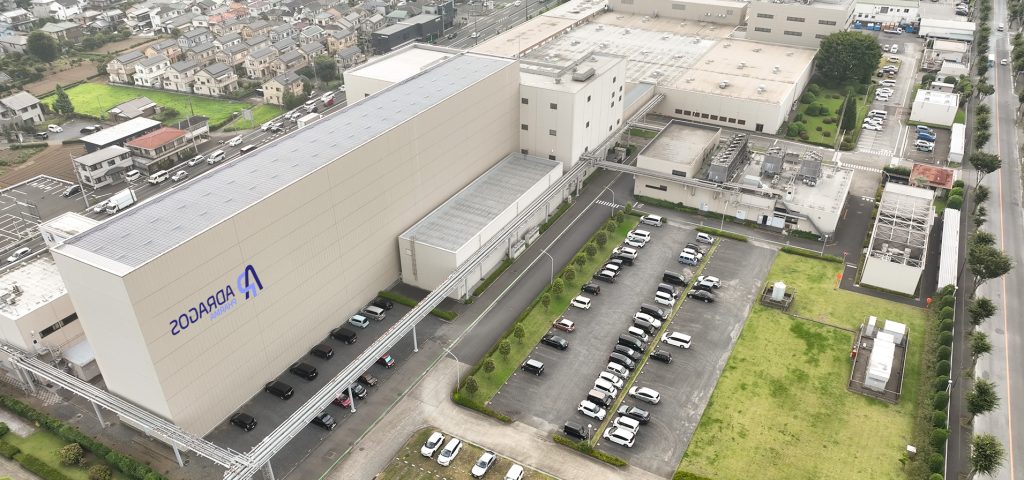
At our Kawagoe site, the engineering team has developed a robust and proactive philosophy to master this challenge. Their approach provides an essential framework for ensuring that every product adheres to the most stringent requirements, thereby building a foundation of unwavering trust and patient safety.
A Higher Order of Complexity: Integrating Multi-Layered Controls
The unique complexity of controlled drug production requires multi-layered controls that go beyond typical automation and interlocks designed to reduce human error. The engineering strategy must also incorporate process designs that support strict material quantity control and facility layouts with inherent access control and monitoring features.
A recent project at our Kawagoe site was to establish new locked storage areas for stimulant-based raw materials clearly illustrates this principle. The design process meticulously considered material and personnel flows alongside camera placement, ensuring an appropriate balance between heightened security and operational efficiency. This experience demonstrates the necessity of a holistic view where every component works in concert to achieve a state of comprehensive control.
Security vs. Compliance: A Critical Distinction in Design
A cornerstone of the Kawagoe engineering philosophy is the careful distinction between two often-conflated concepts: security and compliance. While interconnected, they are treated as distinct disciplines with different design objectives.
Security is addressed through the physical and technical safeguards embedded within equipment and facility design. The focus is on preventing unauthorized access, misuse, or deviation through mechanisms like locked storage, physical separation, and dedicated monitoring systems.
Compliance, conversely, is achieved through the design of processes, records, and traceability systems. This ensures demonstrable adherence to regulations, GMP requirements, and internal procedures.
This distinction is vital for a balanced approach. While most engineering work at the site centers on strengthening GMP compliance for everyday manufacturing, the team consciously integrates specific security mechanisms when necessary. In essence, security provides the ‘protective mechanisms,’ while compliance ensures the ‘systems that enable proper operation.’
Proactive by Design: Engineering for a Changing Landscape
The engineering strategy at Kawagoe is fundamentally proactive, not reactive. This is crucial in an industry with a constantly evolving regulatory landscape. The approach focuses on anticipating changes by selecting equipment with built-in features—such as audit trails and user access controls—that can accommodate future requirements.
From the earliest stages of any project, equipment and systems are selected for their inherent ability to support security and compliance. Features like automated data recording and tiered user-level access for operators, supervisors, and maintenance staff are considered non-negotiable. This foresight was evident during the recent introduction of new dissolution tanks and granulators, where advanced cleaning capabilities and residue reduction concepts were incorporated from the design stage to ensure flexibility for future regulatory demands.
Feedback from external audits by authorities and client companies is also viewed not as a mere inspection but as a valuable opportunity for learning and continuous improvement. These insights directly support enhancements to existing systems and inform decisions for all new equipment and facility designs.
Fostering a Culture of Ownership and Continuous Improvement
Sophisticated systems and robust processes are only as effective as the people who operate them. Recognizing this, the final and most critical layer of the Kawagoe strategy is a deeply ingrained culture where every team member understands and owns their role in maintaining security and compliance.
Instead of treating these as separate, special activities, the goal is to create an environment where these considerations arise naturally within daily work. This is achieved through routine tasks like design reviews for equipment introduction, building modifications, and regular self-inspections, all of which serve as practical opportunities to strengthen risk awareness.
Through this work-based learning, security and compliance evolve from “rules to follow” into essential perspectives for creating better, safer, and more reliable processes. This emphasis on practical application over purely formal training helps align the team’s mindset and supports the development of a culture of continuous improvement, ensuring that the principles of quality and trust are upheld in every action.

